
Latest news
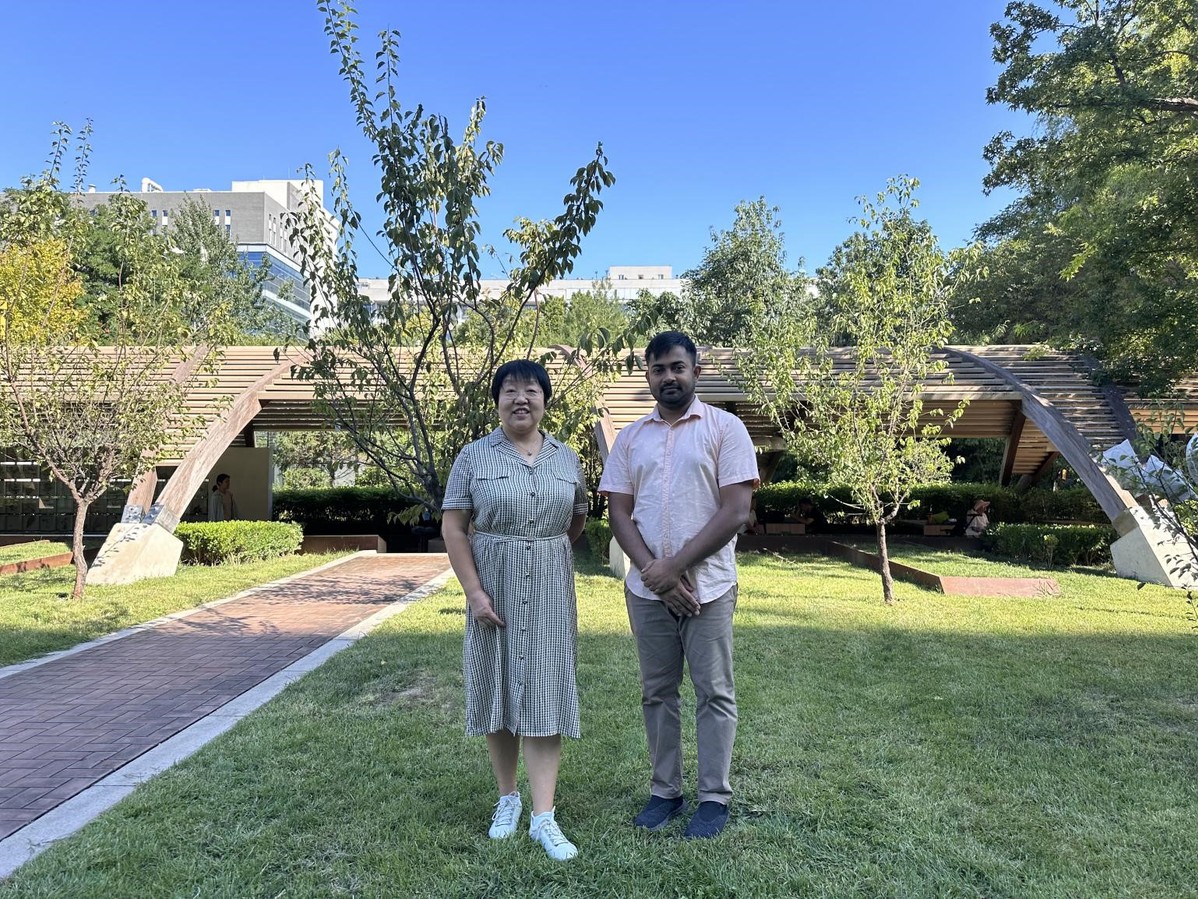
Faysal Ahmad, a PhD student from Bangladesh at the School of Ecology and Nature Conservation, Beijing Forestry University, embarked on a journey across oceans driven by his love for nature. From his ecological enlightenment by the wetlands of Bangladesh to his academic pursuit in China, he delves into wetland conservation on the university's fertile ground, treads ecological boundaries with his own feet, and weaves a touching environmental story that connects China and the world.The story of Ahmad begins beside the wetlands of Bangladesh, where riverbanks stretch like living veins across the land and migratory birds come and go with the certainty of seasons. As a child, he often stood by the water watching them fly, curious about where they came from and why they left. He did not yet know the vocabulary of ecology, but he sensed that the birds' flight carried nature's secrets, and that the vibrant wetlands could feel human actions.
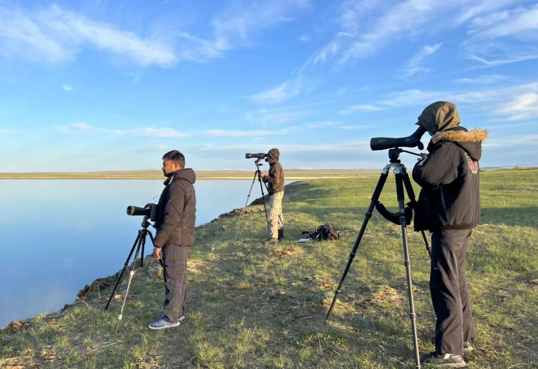
Those quiet observations laid the earliest groundwork for his scientific journey. Over time, curiosity evolved into a sense of responsibility. While working with conservation groups and international organizations, including the Food and Agriculture Organization of the United Nations, he saw how climate change disrupts both species and livelihoods. Floods and habitat loss affected ordinary families in ways scientific reports often fail to capture. Through these experiences, he understood that protecting nature is not merely a biological task, but a human one."I realized conservation is not complete unless it includes people," he said. "Science must serve those who live closest to change."When considering his PhD, he did not simply seek a university, he sought a place where ecological research was translating into real-world solutions and raising public awareness. That search led him to China, where the concept of ecological civilization was reshaping national development goals, policy making, and urban planning. Even while attending Beijing Forestry University courses online at first, he sensed something unique, ecological responsibility was not an academic niche; it felt like part of China's broader cultural trajectory."China showed me that ecology is not treated as a separate subject," he recalled. "It is treated as a shared future. That gave me hope."
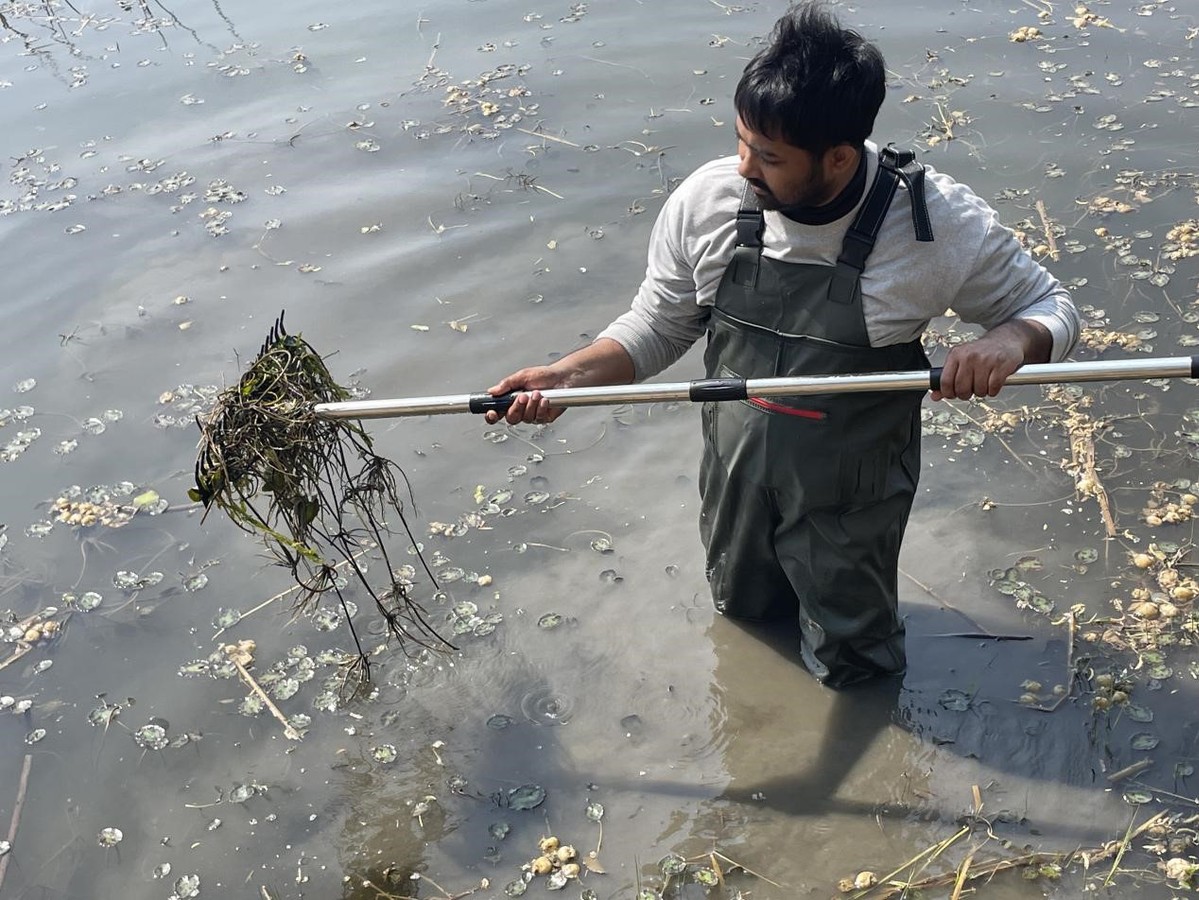
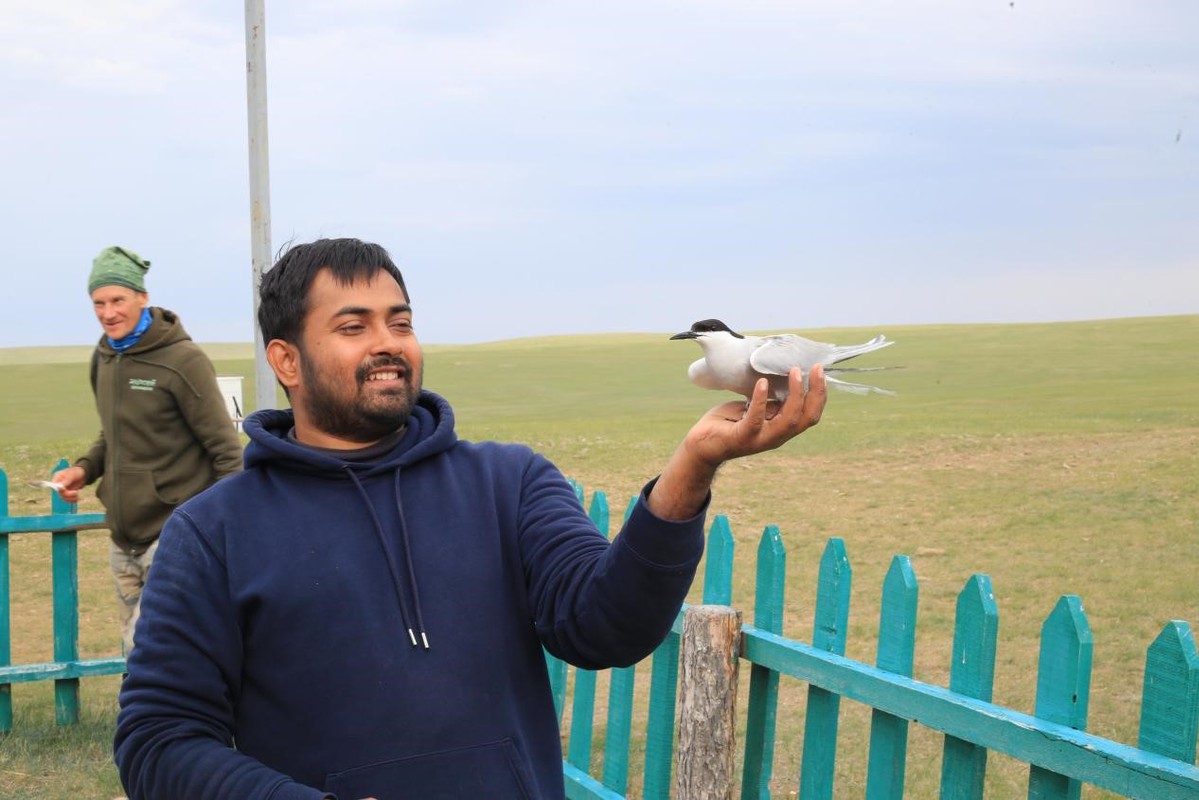
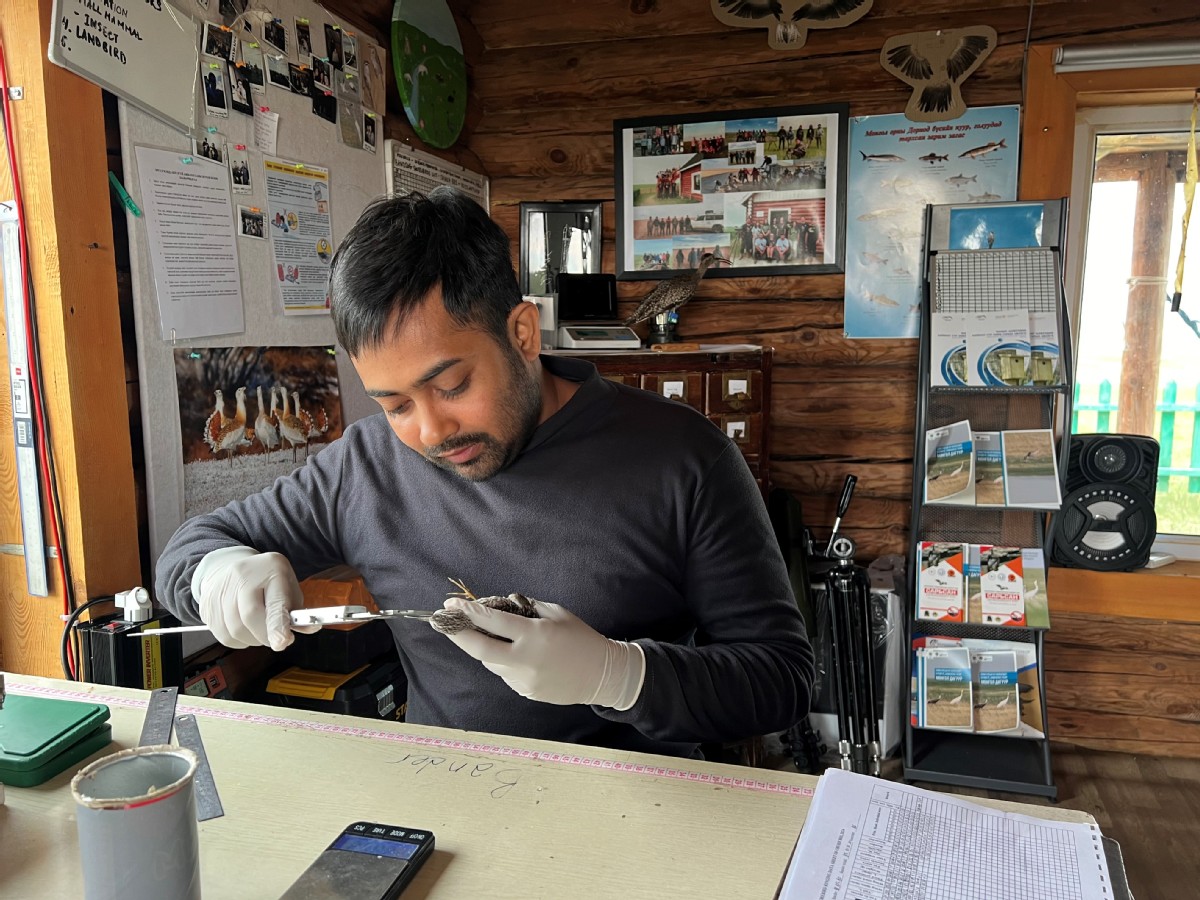
A defining moment came during a wetland research training program. The morning was quiet, with the grass still held the night's dew. As he carefully held a migratory bird to attach a tracking tag, he felt something shift inside him."Holding that bird," he remembered, "I understood that nature has no borders. Birds do not migrate with passports, they migrate with purpose."This moment reshaped his research approach. He began moving away from simply gathering data and toward building holistic ecological narratives, asking how climate, habitat, adaptation, and human activity are connected. He started to see research not just as observation, but as translation, turning natural patterns into actionable knowledge for society.
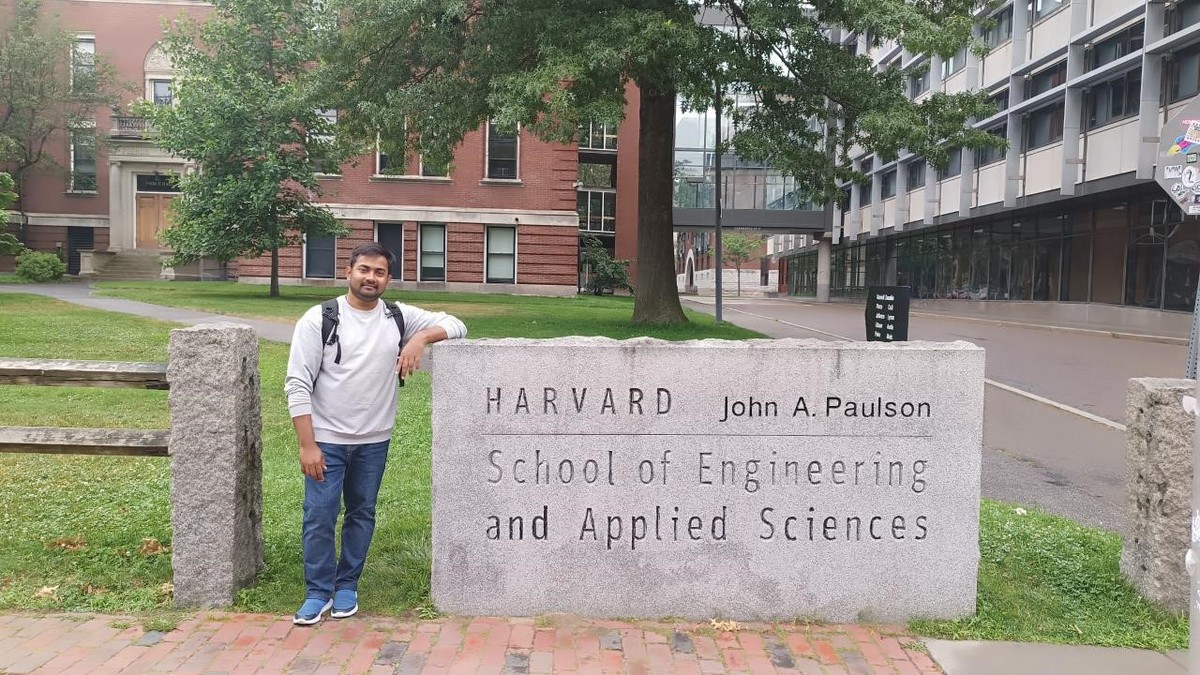
During his studies, he had the opportunity to visit nine countries, and each trip enriched his conservation philosophy. In the vast grassland wetlands of Inner Mongolia autonomous region, he released tagged migratory birds into the sky, truly experiencing the fragility and vastness of migration routes; at seminars associated with Harvard University in the United States, he discussed climate change and migration issues with top scientists, deepening his appreciation for the role of global dialogue in local actions in Asia; during a coastal research trip in the Netherlands, walking along tidal flats and hearing stories of long-term monitoring showed him how patient, careful observation over decades is essential for solid scientific research."Each journey added a new perspective," he said. "Different landscapes taught me different ways to care for nature, but the message was always the same, conservation knowledge has to move across borders, just as birds do."
His doctoral experience at the university thus became more than academic training, it became a transformation of perspective. He began seeing ecology not only as science, but as connection, between data and meaning, between species and seasons, between science and people.Vision: A Bridge for ecological wisdomAs his research matured, Ahmad began sharing his knowledge with others. At the university, he served as a lecturer in the "Eco Earth" Lecture Group, the international part of the BFU Eco-Civilization Doctoral Students' Lecturer League, encouraging students to view ecology not just as numbers or surveys, but as a matter of ethics and empathy. He also led youth engagement as Head of Knowledge and Capacity Building for the East Asian–Australasian Flyway Partnership Youth Task Force, guiding young conservationists from diverse regions to practice bird monitoring, habitat protection, and ecological leadership.One of his most memorable experiences took place at BFU Affiliated Primary School. On World Migratory Bird Day, he organized drawing activities and simple birdwatching sessions for children. They sketched migration routes and spotted birds through binoculars. Many of them had never thought about why birds travel, but suddenly, the story became real to them.On World Migratory Bird Day, he held drawing activities and simple birdwatching experiences for the children. Watching their curious eyes and listening to their chattering questions, Ahmad found it particularly meaningful. They imagined migration routes on paper and followed birds through binoculars. Many of them had never thought about why birds travel, but suddenly, the story became real to them."I call it passing the torch," he said with a smile. "Because every conservation story needs the next storyteller."Over time, China became not just a host country, but a teacher. Ahmad observed how ecological governance here links science with policy, education with community engagement, and nature protection with long-term planning. He saw restoration efforts, national park initiatives, and city-level conservation strategies built on real evidence and social participation. What moved him most was that environmental stewardship was not just expert driven, it was socially rooted.Ahmad has evolved from an observer to an active participant. He has witnessed firsthand that China's ecological governance always links science with policy, education with community engagement, and nature protection with long-term planning. From ecological restoration projects to national park construction, and to urban conservation strategies, every initiative is built on real evidence and social participation. What moved him most was that environmental stewardship was not just expert driven, it was socially rooted, and everyone is a "storyteller" of conservation story."China taught me that ecology becomes strong when society believes in it," he reflected. "When science, policy, and people walk together, real change becomes possible."